Frequently Asked Questions about Capitol Peak
Is Capitol Peak suitable for beginner hikers?
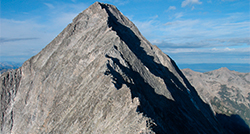
Absolutely not. Capitol Peak is widely considered the most difficult and dangerous standard 14er route in Colorado. It is an extreme, committing mountaineering route that requires advanced route-finding skills, technical rock scrambling, a complete comfort with vertical exposure, and a helmet to protect against frequent rockfall. It should never be attempted by beginners or anyone without extensive experience on lesser Class 3 and Class 4 peaks.
What is the Knife Edge on Capitol Peak and how dangerous is it?
The Knife Edge is one of the most difficult portions of Capitol Peak's standard Northeast Ridge route. It is a notorious, 150-foot stretch of jagged, narrow ridge with big drops on both sides. While the rock on the ridge is relatively stable, crossing it requires extreme mental focus and physical balance.
What is the "Death Gully" on Capitol Peak and how do I avoid it?
"Death Gully" is a nickname for the steep, loose dirt-and-rock couloirs located on the north side, below the upper ridge line. Climbers have made the make the fatal mistake of trying to bail off the ridge into these gullies during bad weather, or navigating into them by losing the standard trail. These gullies end in dead-end, 600-foot vertical cliffs. To descend Capitol, you must strictly maintain your line along the documented Northeast Ridge route and never attempt to drop down toward Capitol Lake prematurely.
How long does it take to climb Capitol Peak and do I need a permit?
The standard out-and-back route is a grueling 17-mile trek with over 5,000 feet of total elevation gain, taking most fit climbers 10 to 14 hours to complete in a single day. Because of this length and extreme exposure, many choose to backpack and split the hike up. While day hikers do not currently need a permit, anyone planning an overnight stay to camp at Capitol Lake is required to secure a wilderness permit reservation in advance. See the standard route description.
Additional Capitol Peak History