Log In 

Peak Fifteen

South-Left Gully (New York Creek)
Difficulty Class 5 
Risk FactorsExposure: High
Rockfall: Considerable  
Route-Finding: Considerable  
Commitment: High  
 
TrailheadNeedleton
Start9,200 feet
Summit13,671 feet
Total Gain4,900 feet
RT Length9 miles
Last UpdatedMay 2026
DownloadsgpxGPX File
Show More
Photo

Trailhead

Drive to Durango and follow signs to the Durango and Silverton Narrow Gauge Railroad. It's near McDonald's and has a large parking area nearby. Buy a ticket for the train that stops at Needleton and ride the train 2.5 hours (~30 miles) to the Needleton stop. From here, it's a 6 mile hike to reach Chicago Basin.

Route Description

From the Needleton stop, head toward Chicago Basin and at the first bridge across New York Creek, locate a climber’s trail heading left up to a camp ground at 9,200'.

Follow intermittent steep trail segments northwest through forest, deadfall, and braided terrain. Route finding is required early but improves with elevation. Cairns are interspersed. Around 10,800’–11,200’, the terrain opens into New York Basin, where Turret is visible to the north.

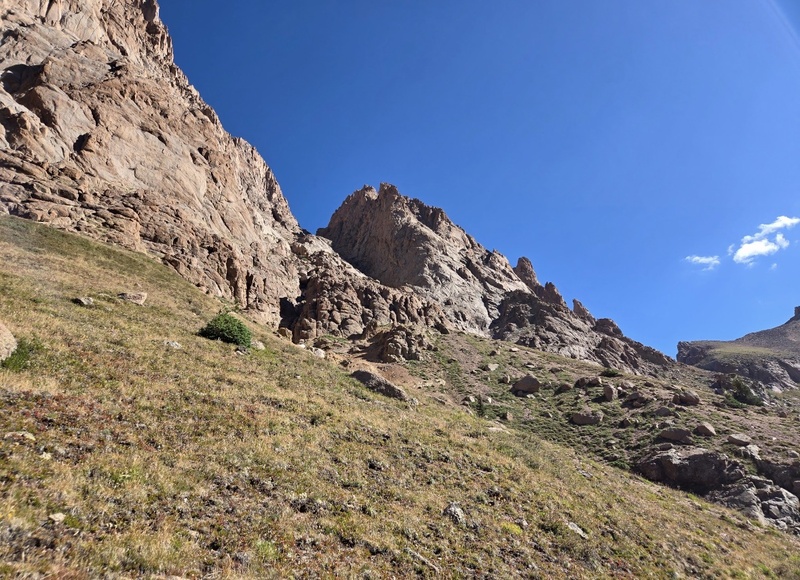
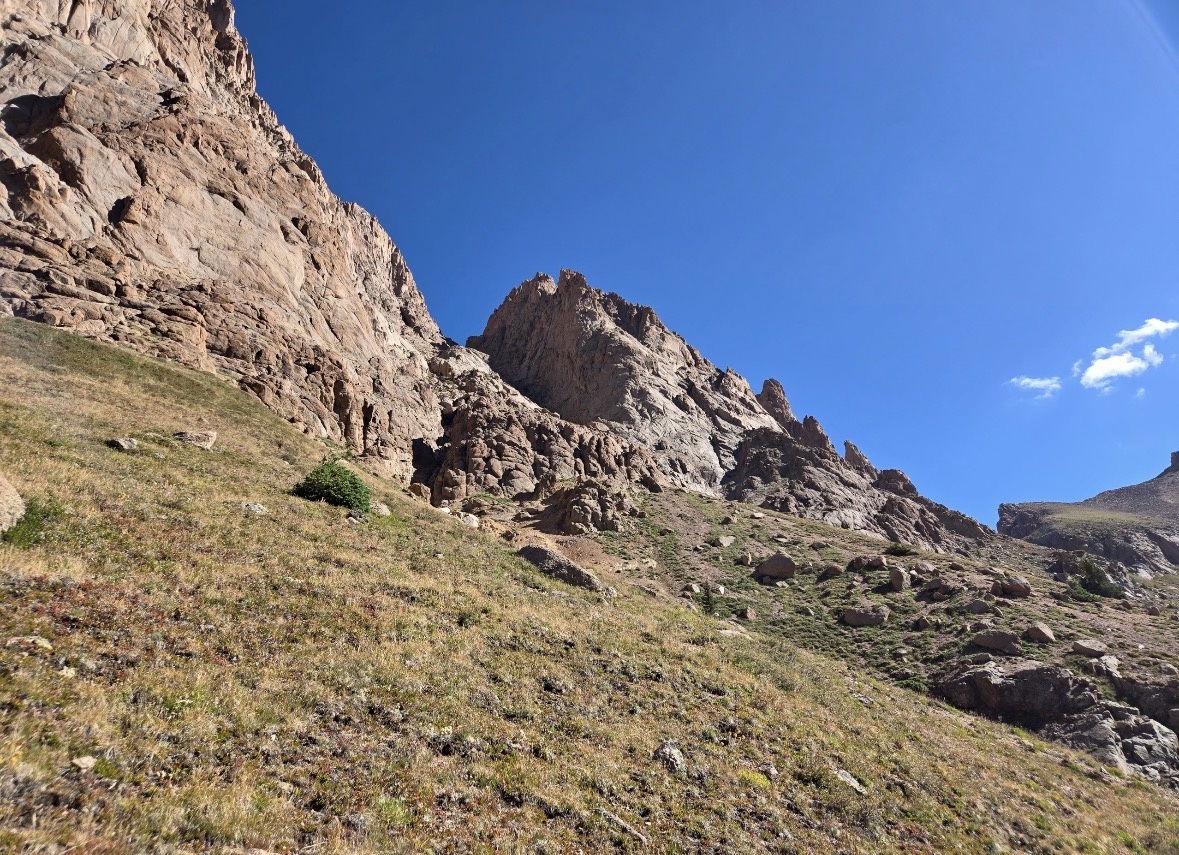
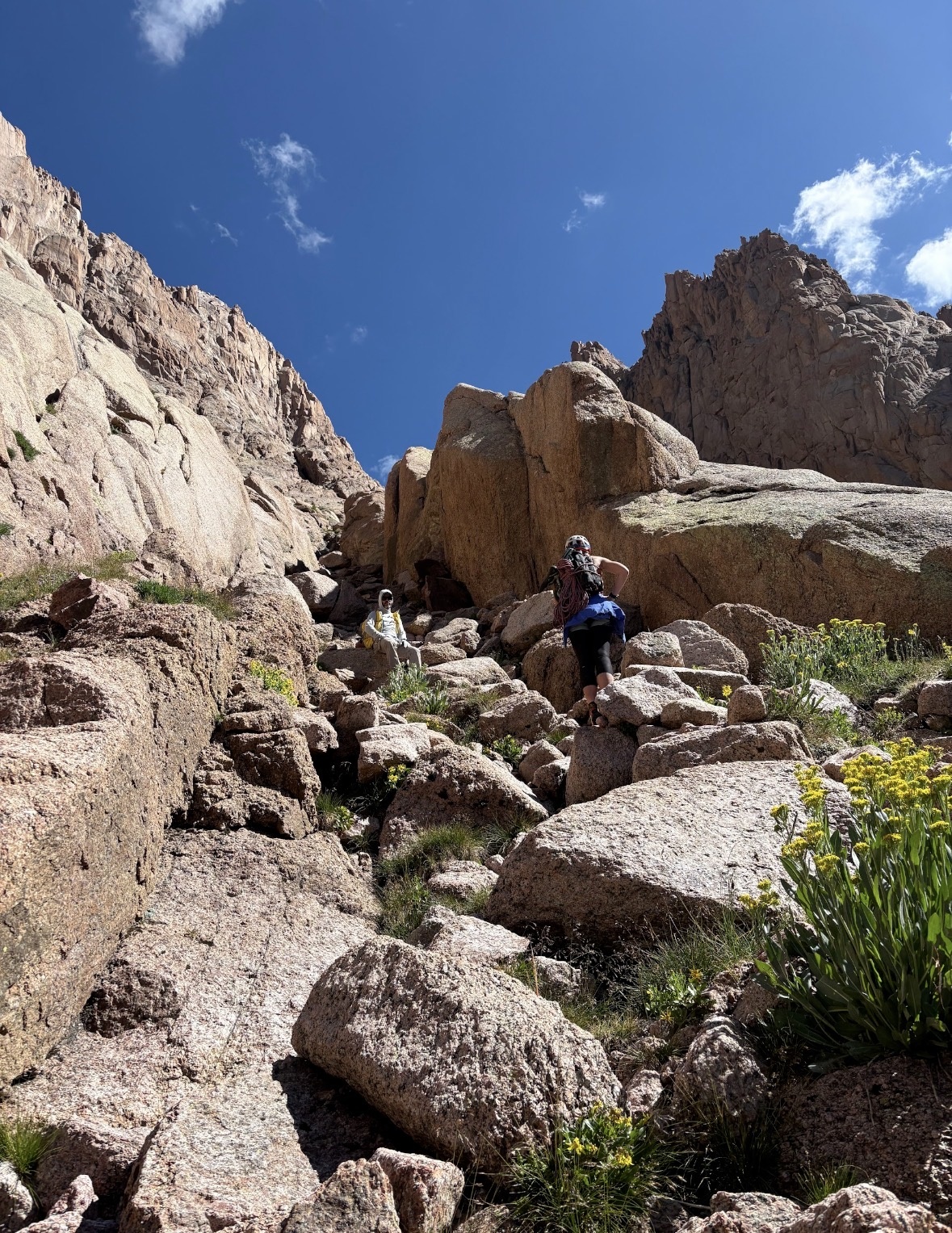
Continue into the upper basin, angling toward the southwest (left) gully on Peak Fifteen. This gully lies left (west) of the standard south couloir.

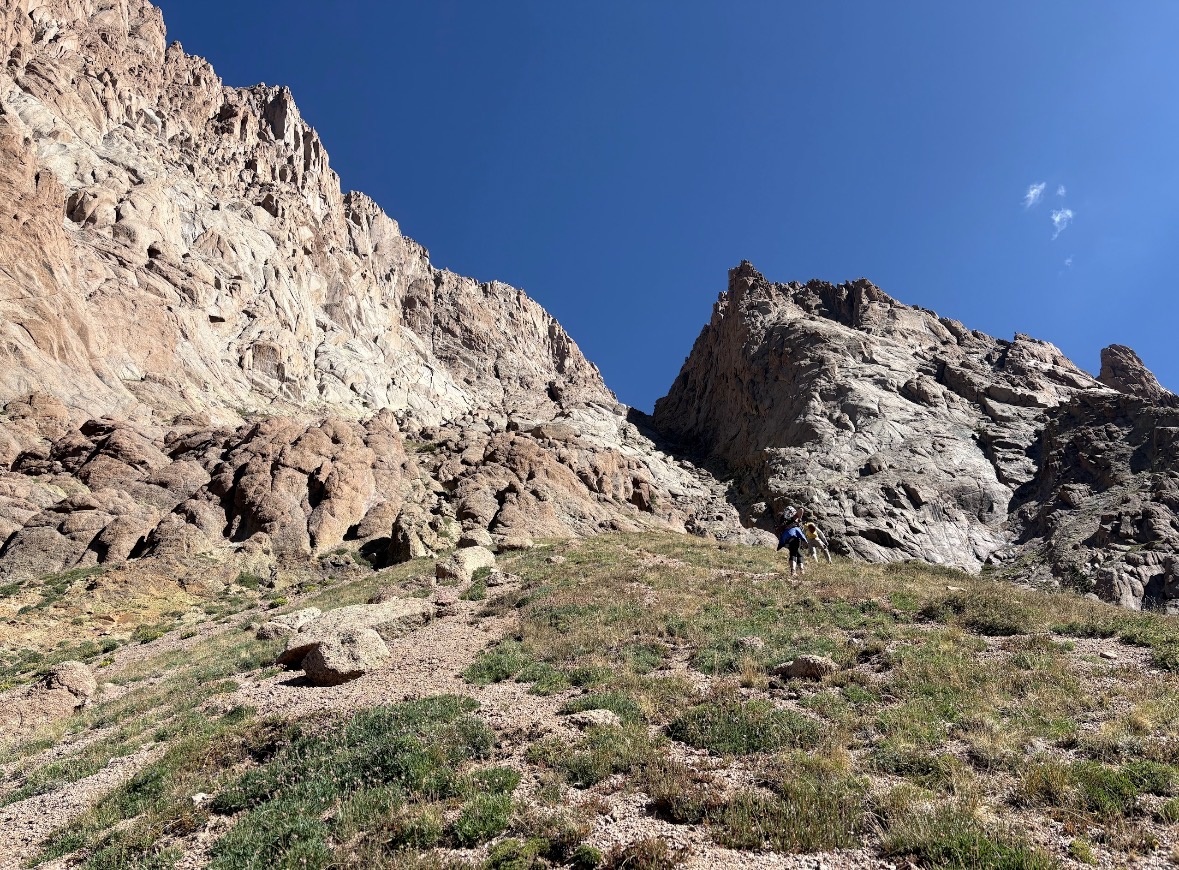
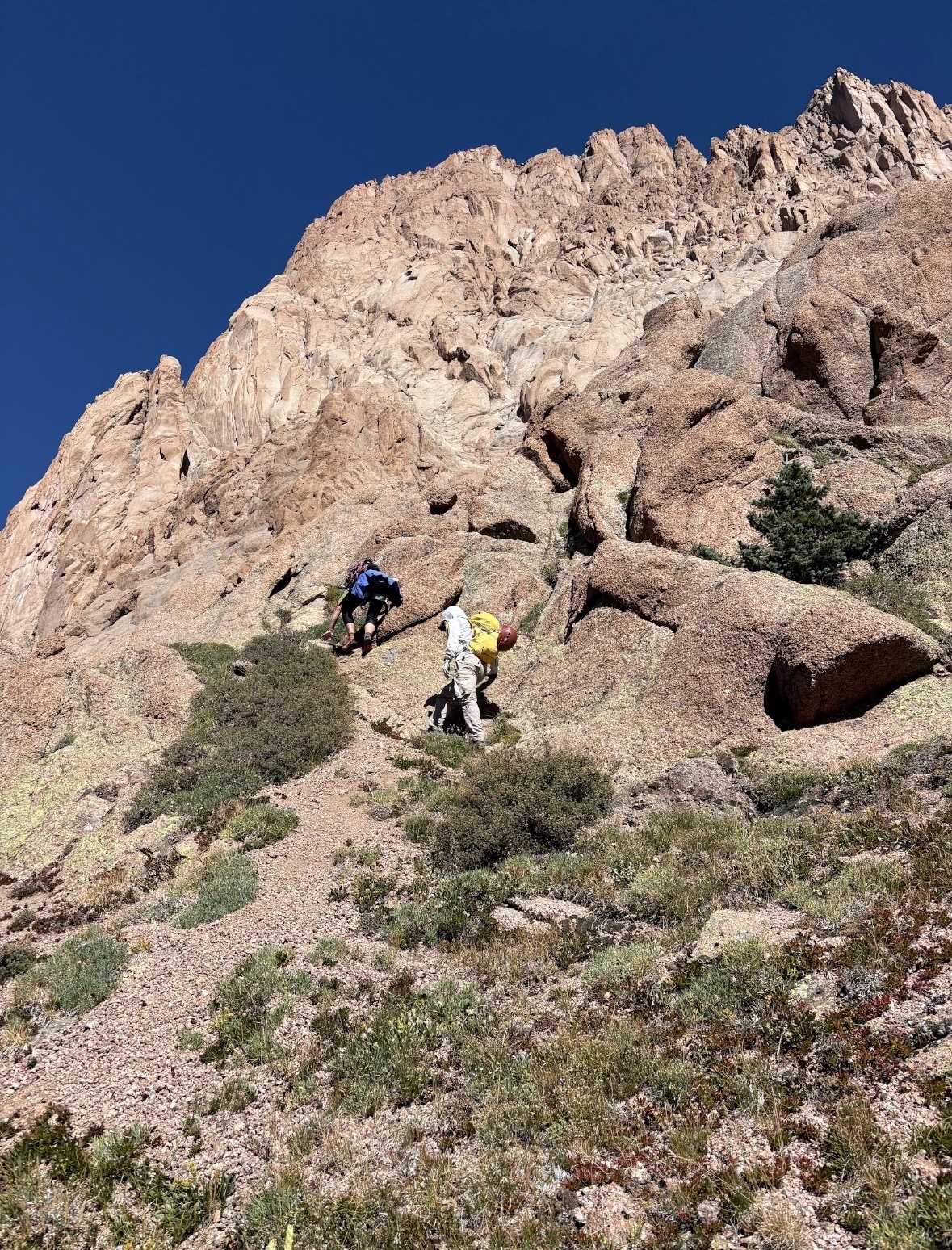
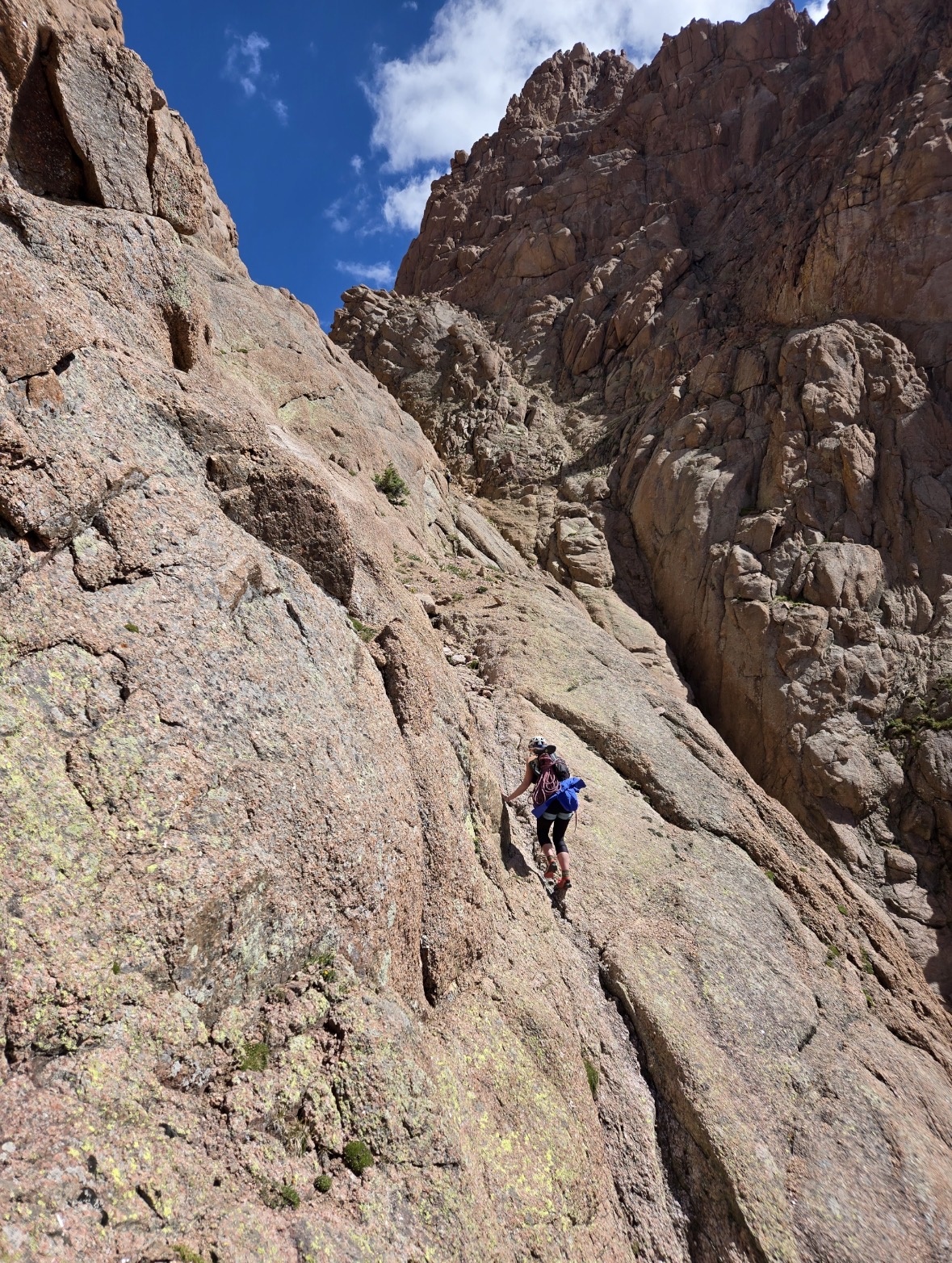
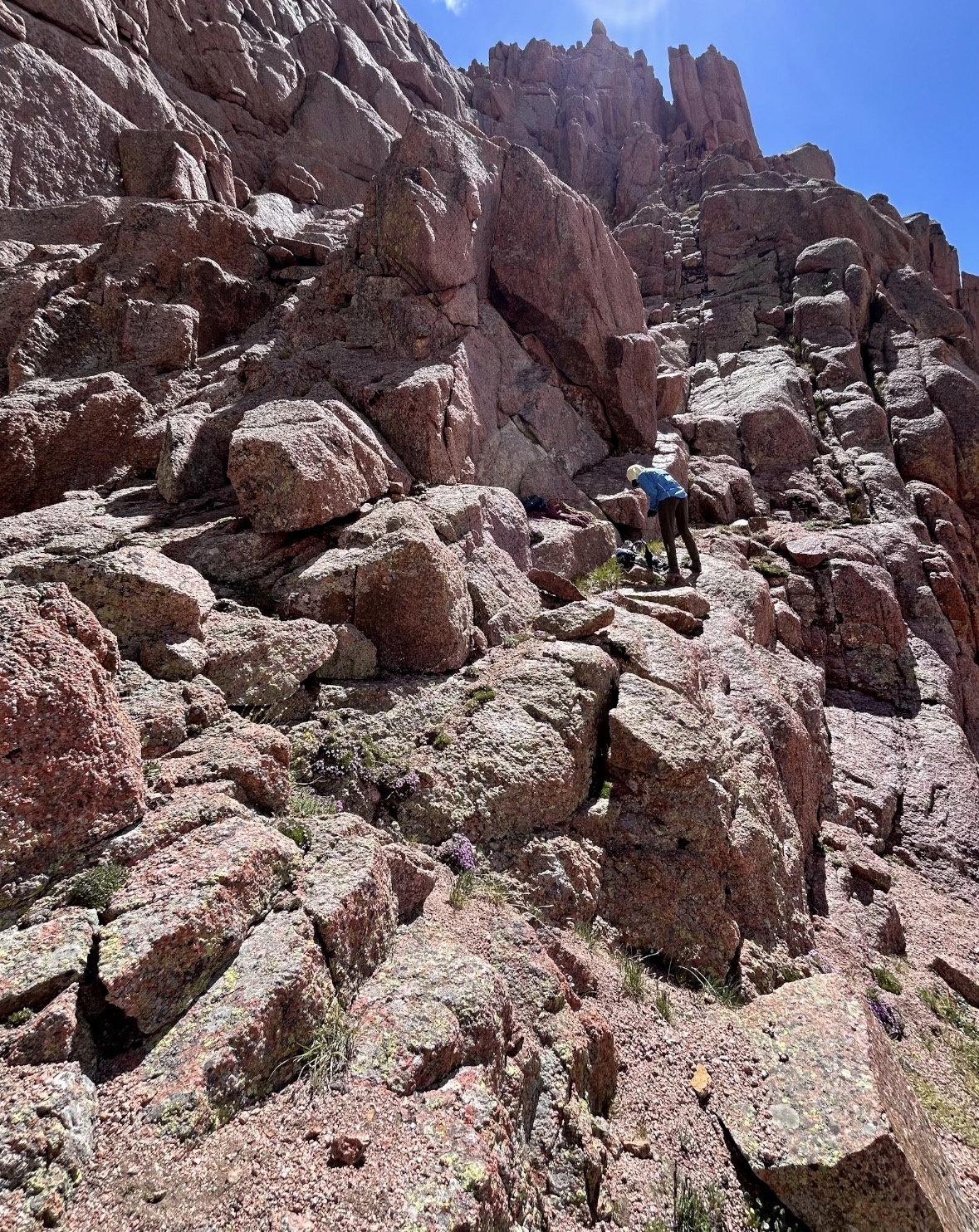
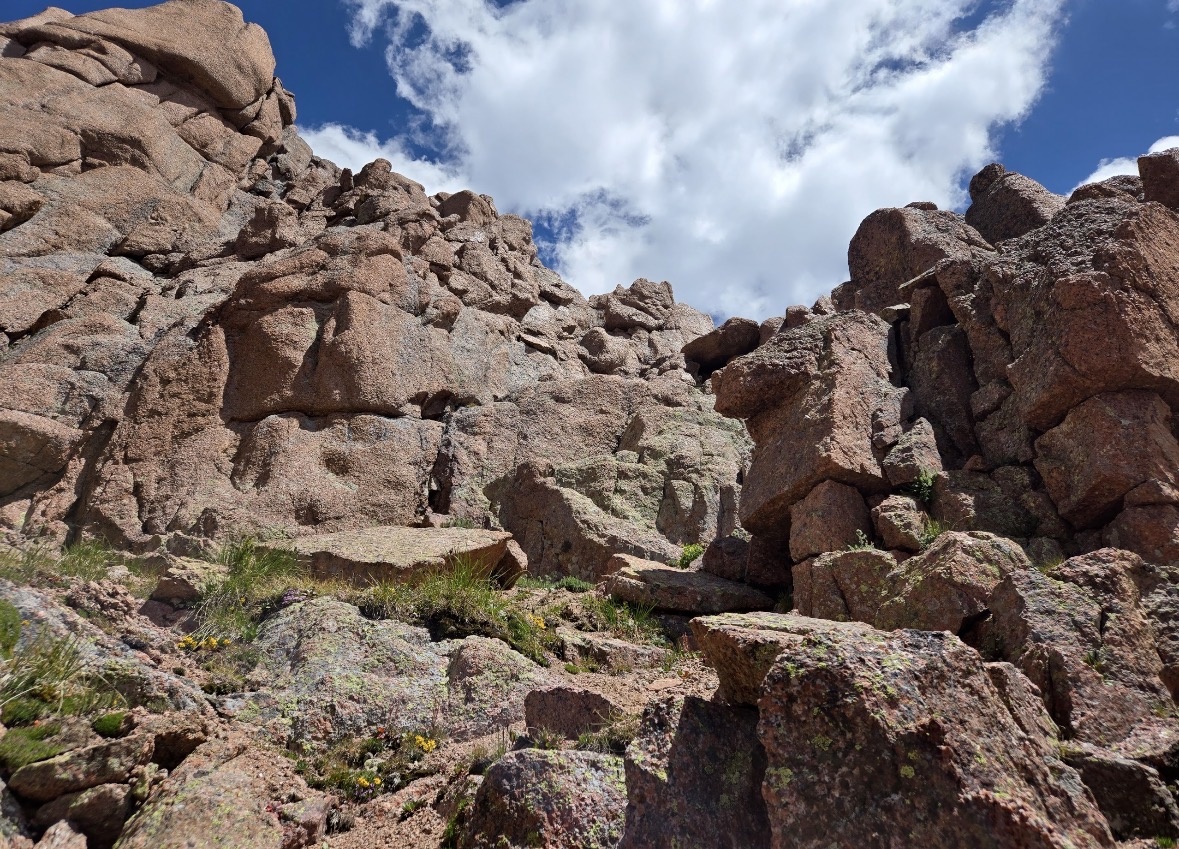
From the basin, angle left early and gain the lower slopes via a short Class 4 / low 5th rock step. Continue climbing up and left on more stable rock, avoiding looser terrain to the right. The route becomes more defined as it enters the main gully system.

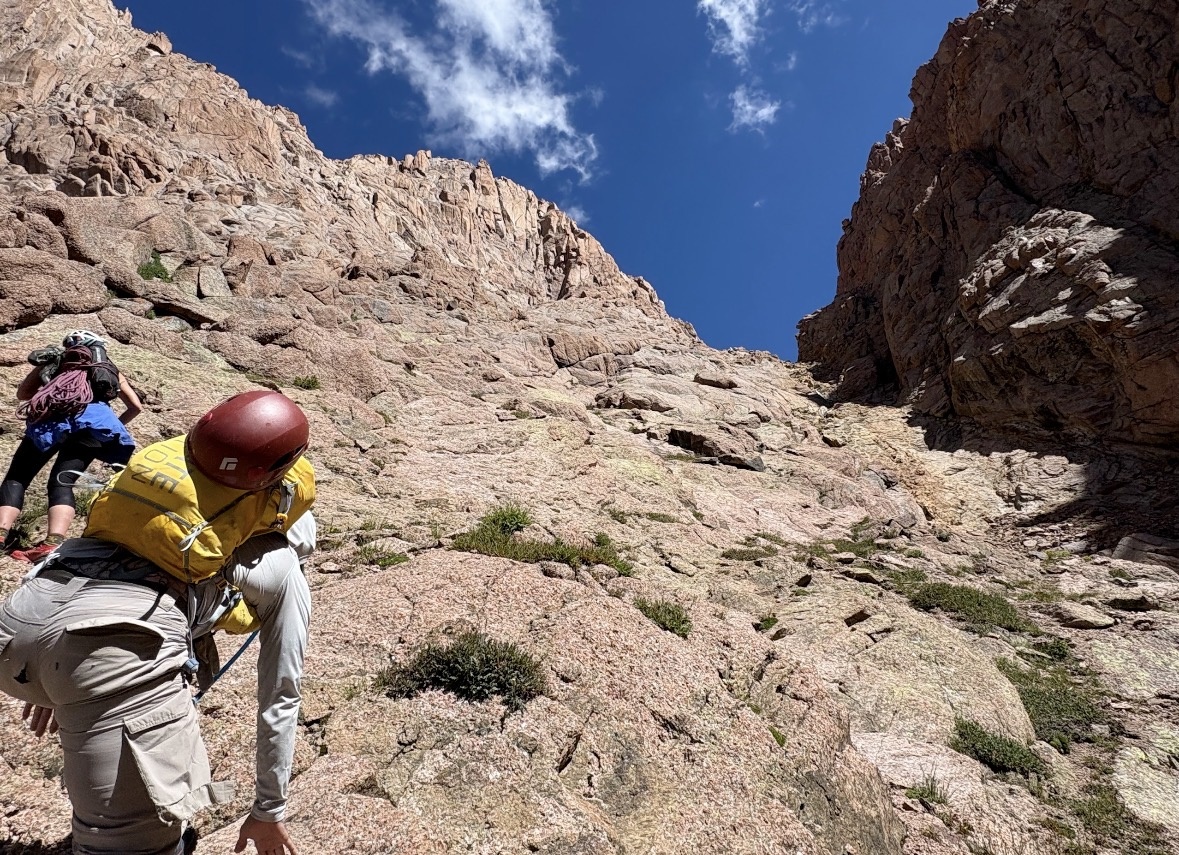
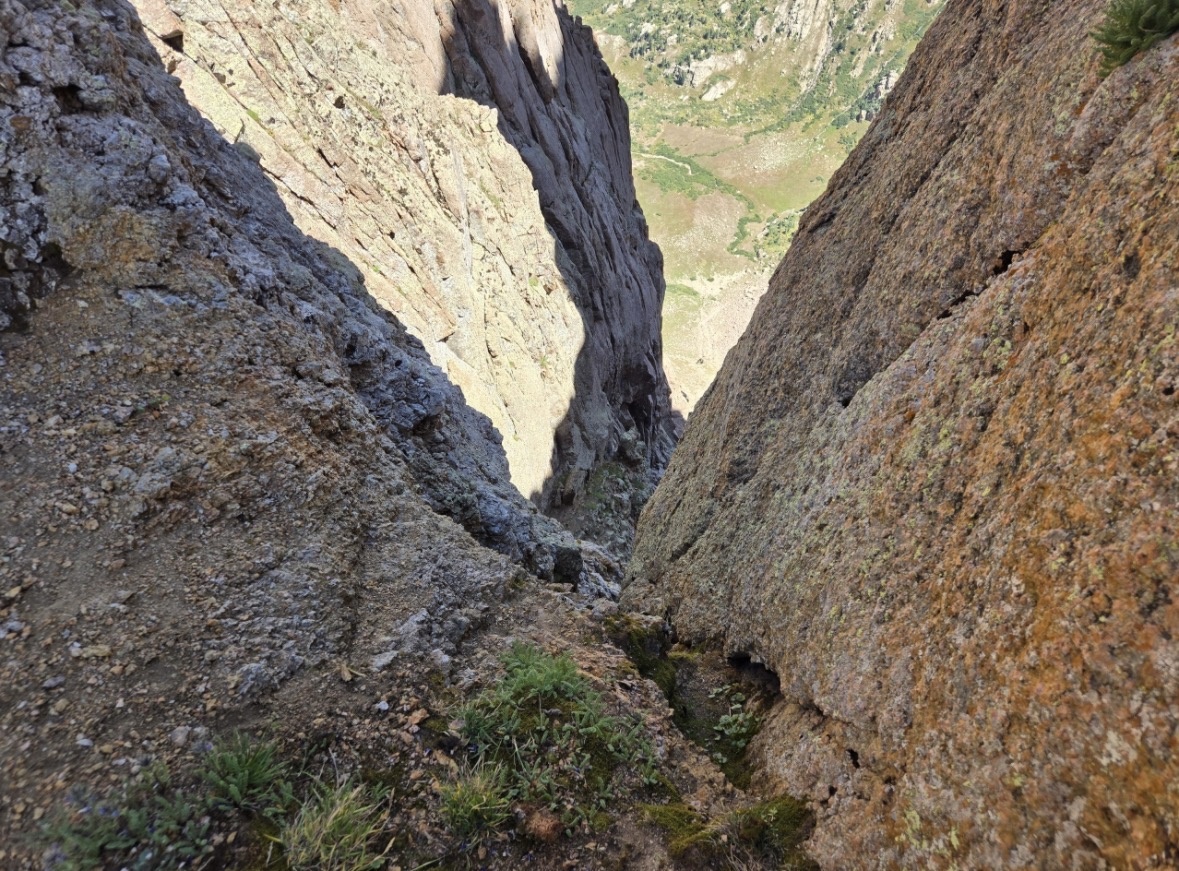
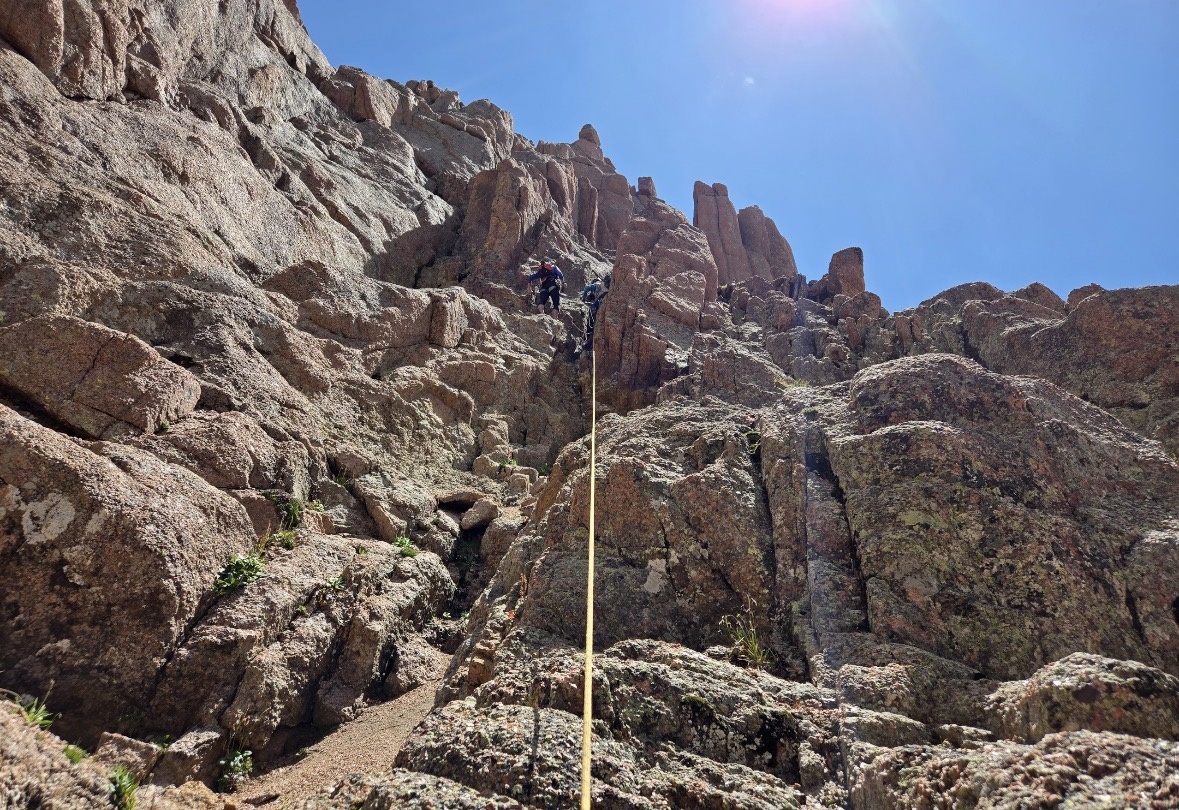
Higher up, zig-zag through a short gully on solid, featured rock, avoiding a direct line toward the saddle too early. Continue to the slab system below the upper mountain.

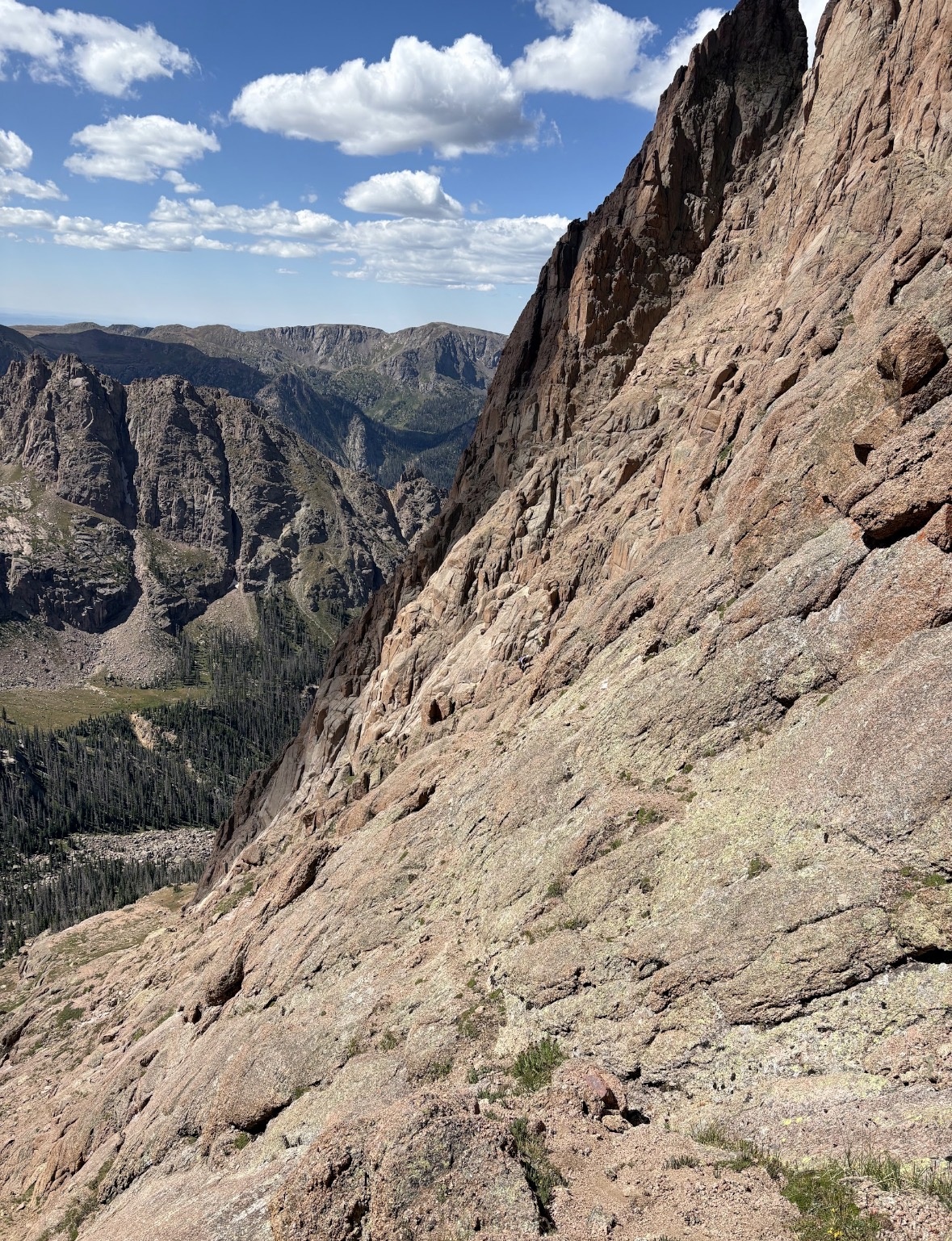
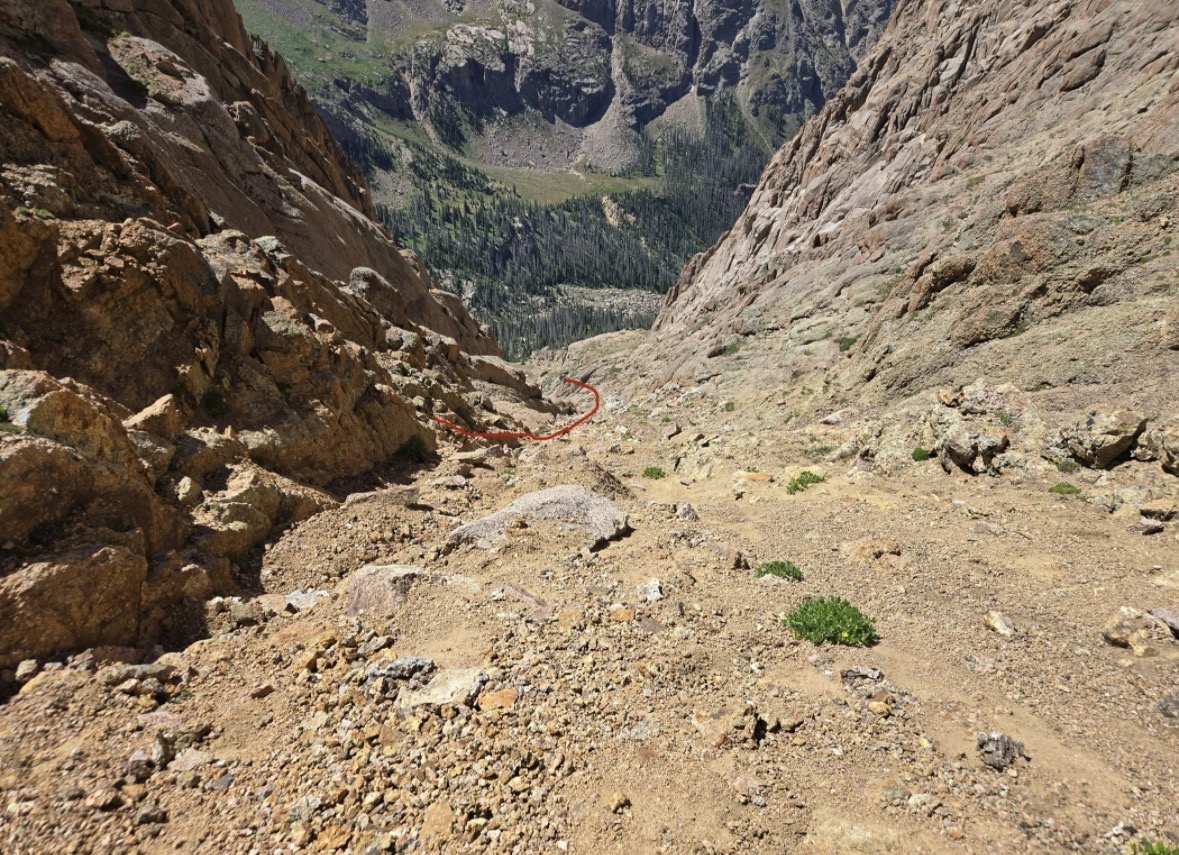
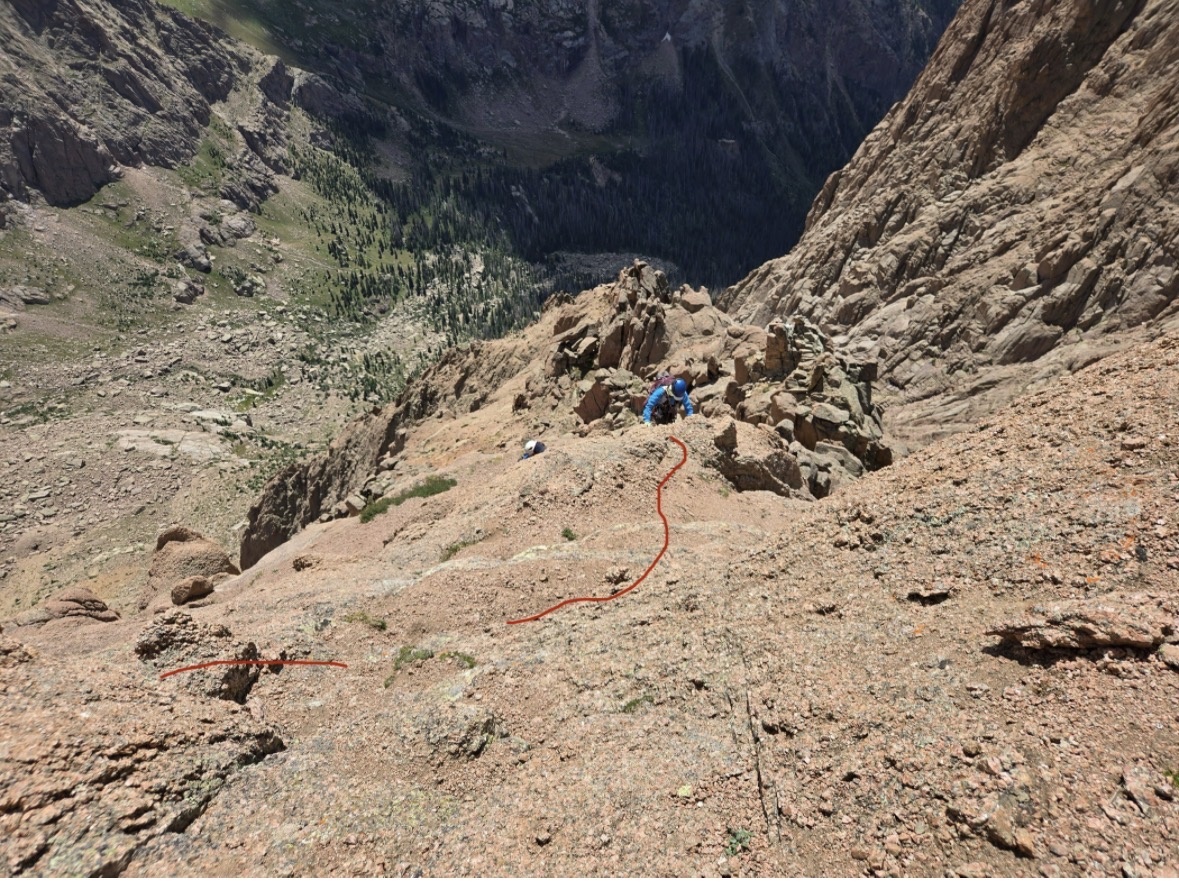
At approximately 13,100’, begin a rightward (east) traverse across a low-angle slab. Traverse to approximately 13,200’.

This slab is unprotectable and represents a no-fall zone. While technically moderate, there are no reliable gear placements and a fall would have serious consequences.

At ~13,200’, exit the slab and continue angling right (east) toward a blocky rock rib, reached around 13,250’.

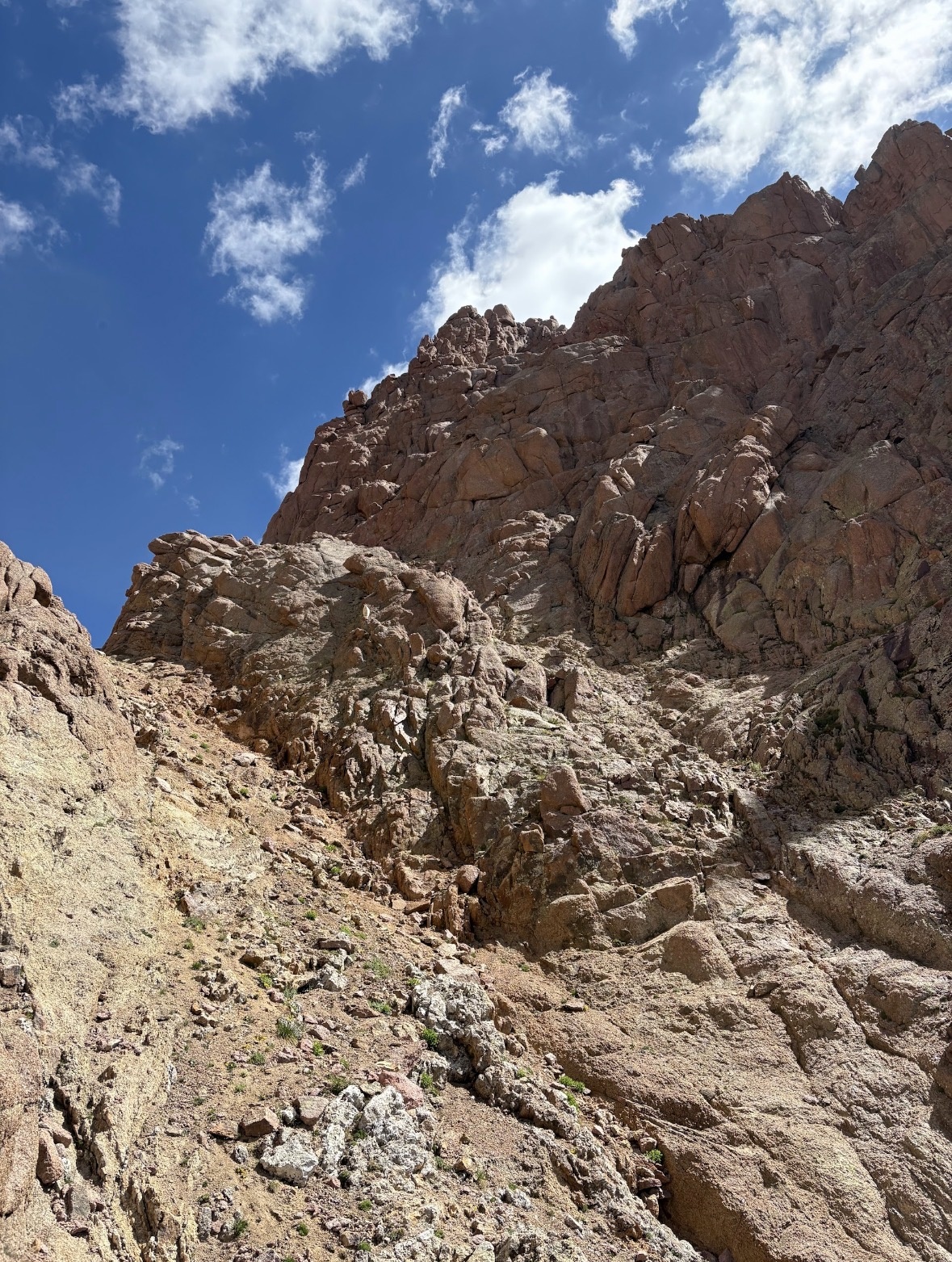
Do not continue straight up toward the saddle. That terrain is looser, with poor holds and insecure footing.

Instead, stay right (east) of the blocky rib, where the rock quality improves and movement becomes more straightforward. Follow this line to gain the Turret–Fifteen saddle.

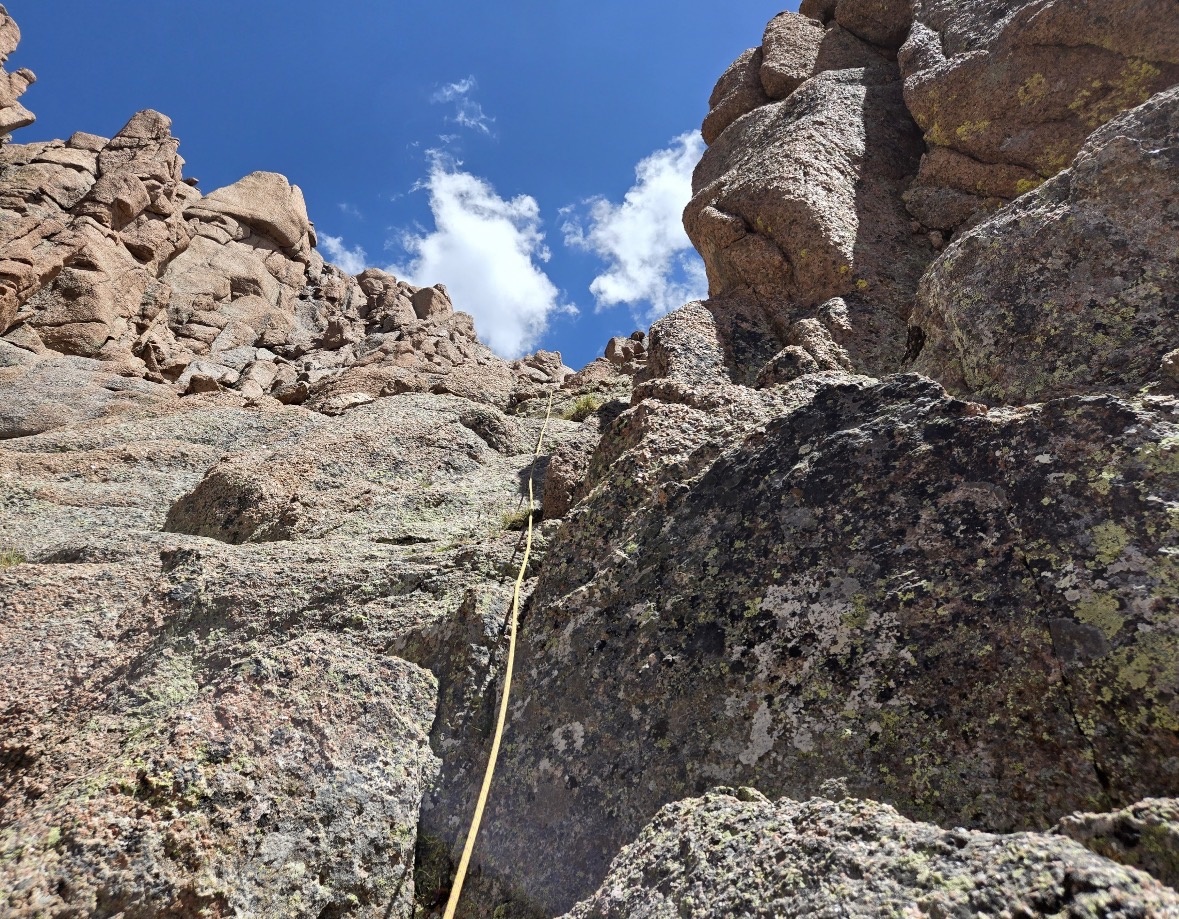
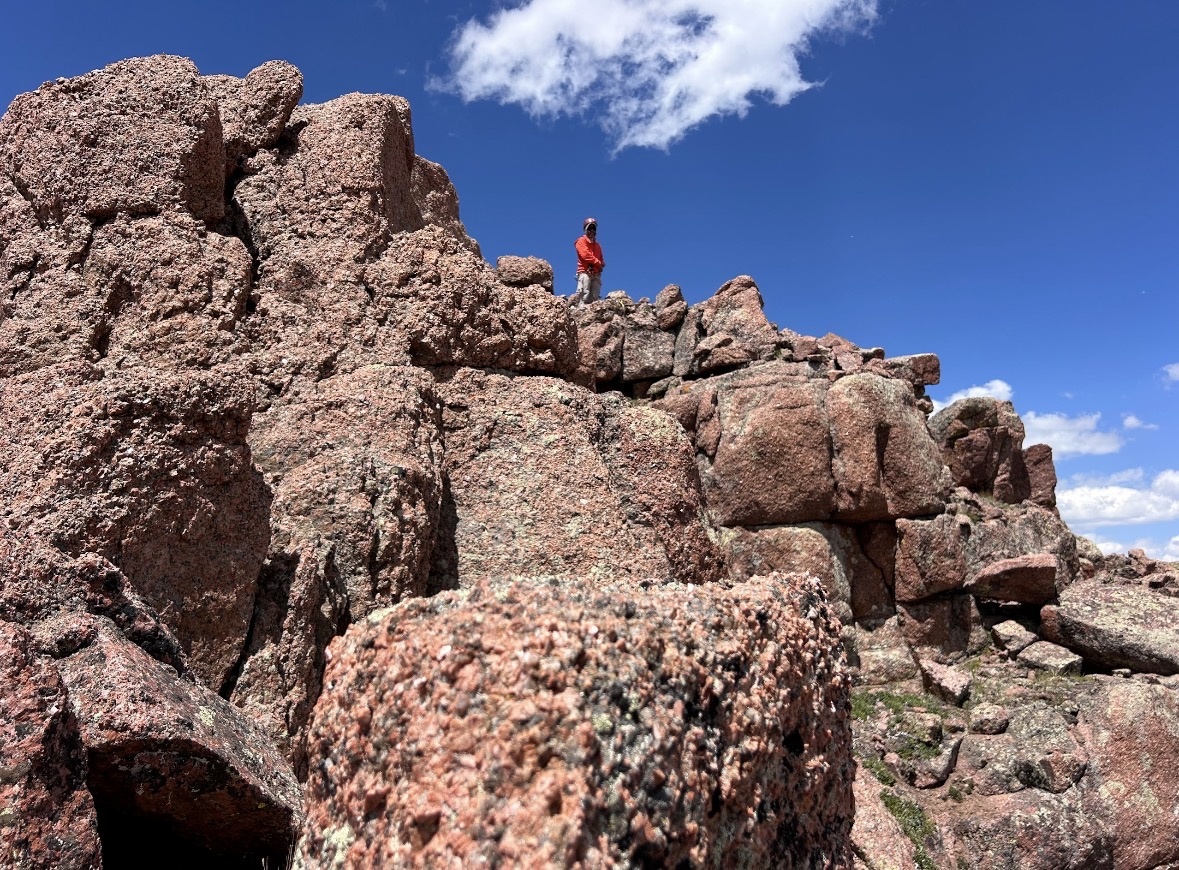
From the saddle, climb approximately 300–350 feet of low 5th class terrain that can be kept at 5.0 with good route finding on generally solid rock with good protection opportunities. The upper section becomes looser but remains straightforward. Continue along the easiest line to the summit.

Descent

Descend via the standard south couloir:

From the summit, reverse the upper route to the Peak 15–16 saddle. Make two rappels to descend the steeper sections of the couloir (existing anchors present). Below the technical section, continue down the couloir into New York Basin, and return via the approach route to Needleton.

In Winter

Winter Variation (Summary)

In winter, the route transforms into a sustained snow climb (~1,200’) from ~12,300’ to the saddle.

Lower basin: steep approach, potential avalanche terrain
Couloir: 35–40°, with a short rock step in thinner conditions
Upper section: narrows, then steepens before reaching the saddle

In stable conditions:

Continuous, aesthetic snow climbing
Minimal overhead hazard compared to the standard route

From the saddle:

~350’ of easy rock to the summit
Protectable, but reasonable to solo depending on conditions.

Notes

Why This Route

Compared to the standard route via Ruby Basin:

Eliminates unnecessary elevation loss/gain
Avoids the Little Finger couloir entirely
Reduces rockfall hazard significantly
Improves rock quality and movement.
YDS 5.0-5.4
Provides a more direct, logical line

Topo Note: The GPX track shows a clean, continuous line up the South-Left Gully from New York Basin, staying left of the standard south couloir from the outset. The critical navigation occurs high on the route: at ~13,100’ the track breaks right across a low-angle slab (no-fall terrain) to ~13,200’, then continues right again to gain a blocky rib at ~13,250’. Do not continue straight up toward the saddle—this leads to poorer rock and insecure movement. Staying right of the rib keeps the climbing on more featured, higher-quality terrain and delivers you directly to the Turret–Fifteen saddle.

Helmet strongly recommended
Snow may persist in early season and change difficulty
Avalanche hazard exists in winter and spring
Route finding is critical: stay left early, stay right high
The slab traverse at ~13,100’ is the most serious section of the route IMPORTANT: This route enters the Weminuche Wilderness area. Designated wilderness areas have special regulations and restrictions for party size, dispersed camping, campfires, etc. Also, dog owners should read the wilderness information carefully because some wilderness areas prohibit dogs to be off-leash and/or limit how close dogs can be to lakes and streams. If you have questions about the wilderness area, please contact a U.S. Forest Service office for the National Forest(s) listed above.

Map

Login Required

Photos

#1#2#3#4#5#6#7#8#9#10#11#12#13#14#15#16

Weather

Caution: The information contained in this route may not be accurate and should not be the only resource used in preparation for your climb. Failure to have the necessary experience, physical conditioning, supplies or equipment can result in injury or death. 14ers.com and the author(s) of this route provide no warranties, either express or implied, that the information provided is accurate or reliable. By using the information provided, you agree to indemnify and hold harmless 14ers.com and the route author(s) with respect to any claims and demands against them, including any attorney fees and expenses. Please read the 14ers.com Safety and Disclaimer pages for more information.

Please respect private property: 14ers.com supports the rights of private landowners to determine how and by whom their land will be used. In Colorado, it is your responsibility to determine if land is private and to obtain the appropriate permission before entering the property.
Heading to a 14er soon? Don't forget the 14ers.com mobile app.
Google Play     Apple App Store